Two Days in the Wild Heart of the Eastern Rhodopes: University of Forestry Students Explore Biodiversity Conservation and Sustainable Tourism with Rewilding Rhodopes
November 24, 2026 2026-11-24 18:41A field-based learning experience in the Madzharovo area brought students of the University of Forestry into direct contact with practical conservation initiatives, good practices in sustainable tourism, and the people dedicated to safeguarding the natural heritage of the Eastern Rhodopes.
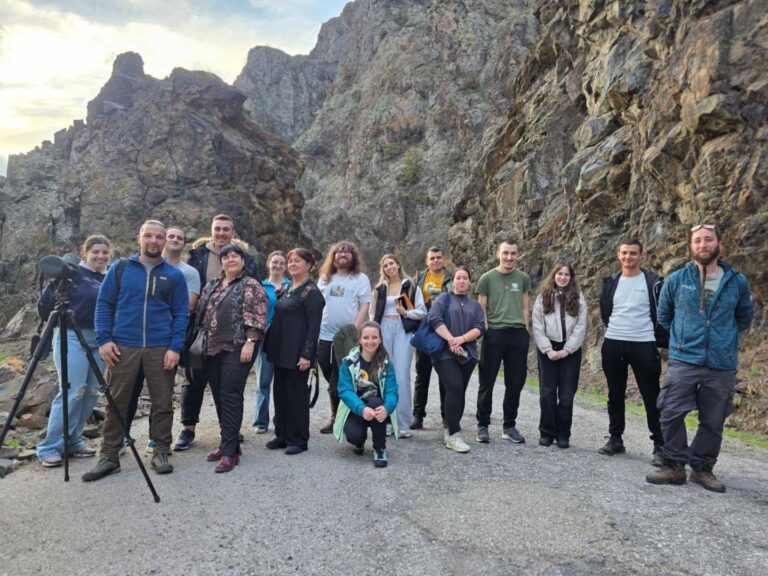
Two days of learning, practical experience and encounters with the wildlife of the Eastern Rhodopes offered an enriching experience for first- and second-year students enrolled in the Ecology, Environmental Protection and Restoration programme at the University of Forestry. As part of a field trip organised by the Department of Alternative Tourism, the students visited the area surrounding the town of Madzharovo – one of Bulgaria’s most remarkable locations, where biodiversity conservation and nature-based tourism are closely interconnected.
The initiative provided students with an opportunity to step beyond the academic environment and gain first-hand insight into the work of organisations and local communities committed to preserving natural heritage. The field experience demonstrated the importance of complementing theoretical knowledge with field observations, practical case studies and direct interaction with experts who apply the principles of sustainable natural resource management in their everyday work.
Exploring Conservation Efforts to Restore the Black Vulture Population
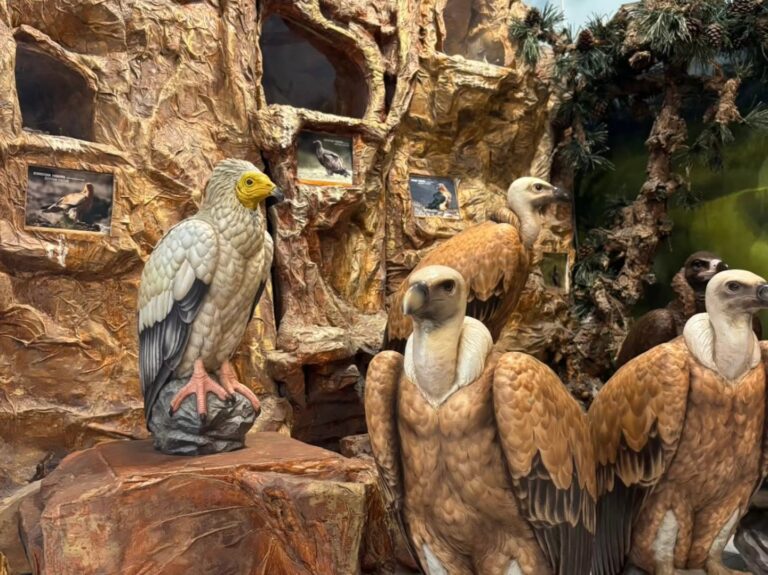
One of the key highlights of the programme was an introduction to the activities carried out under the project “The Return of the Black Vultures to the Rhodopes”, which aims to restore and protect this remarkable and ecologically significant species.
Todor Todorov and Dobromir Dobrev from the Bulgarian Society for the Protection of Birds (BSPB – BirdLife Bulgaria) introduced the students to the history of the region, the characteristics of its habitats and the major challenges facing vulture conservation. Their presentations addressed the threats to the species, the need for targeted conservation measures and the importance of long-term efforts to restore and maintain viable populations.
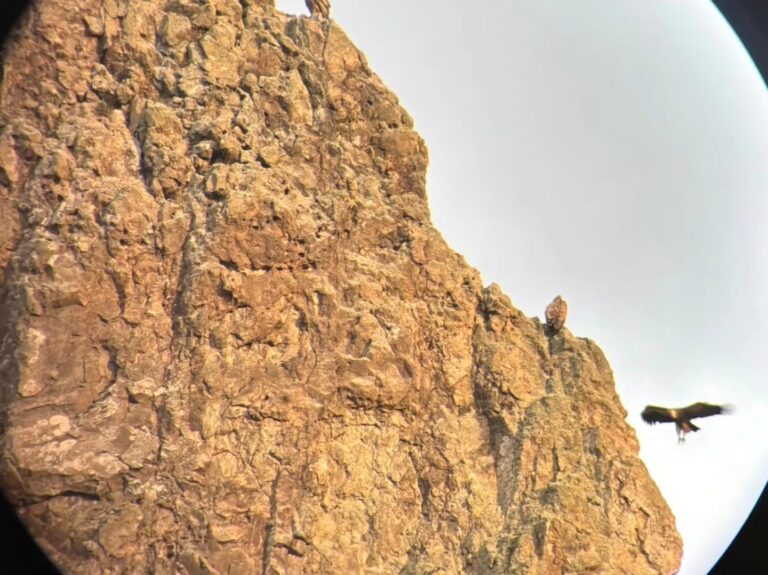
A particularly memorable part of the visit was the opportunity to observe vultures in their natural habitat. This experience enabled students not only to expand their knowledge of the biology and ecological role of these birds, but also to gain a direct appreciation of the importance of habitat conservation and the preservation of ecological balance.
For future environmental specialists, such encounters represent an invaluable practical learning experience. They transform classroom knowledge into first-hand experience and provide a deeper understanding of the professional responsibilities involved in environmental protection and biodiversity conservation.
Sustainable Tourism: Preserving Nature and Supporting Local Communities
Another important component of the programme was a meeting with Martin Kurtev from Nature Madzharovo. He introduced the students to opportunities for developing nature-based tourism and presented practical approaches through which tourism can serve not only as a means of showcasing local natural and cultural attractions, but also as an instrument for their long-term preservation.
During the discussion, various initiatives were presented, including nature-based visitor experiences, volunteering opportunities and educational camps for children. Particular emphasis was placed on the role of environmental education and the importance of fostering a responsible attitude towards nature from an early age.
Students explored ways of combining conservation objectives with the development of local tourism and the active involvement of regional communities. The discussion also highlighted the importance of cooperation between conservation organisations, tourism initiatives and local stakeholders in establishing sustainable development models.
These examples demonstrated that nature conservation and economic development are not mutually exclusive objectives. On the contrary, when tourism activities are responsibly planned and adapted to the characteristics and carrying capacity of the natural environment, they can contribute to raising awareness of the region’s natural wealth while creating new opportunities for local communities.
Cultural and Historical Heritage as Part of the Region’s Tourism Potential
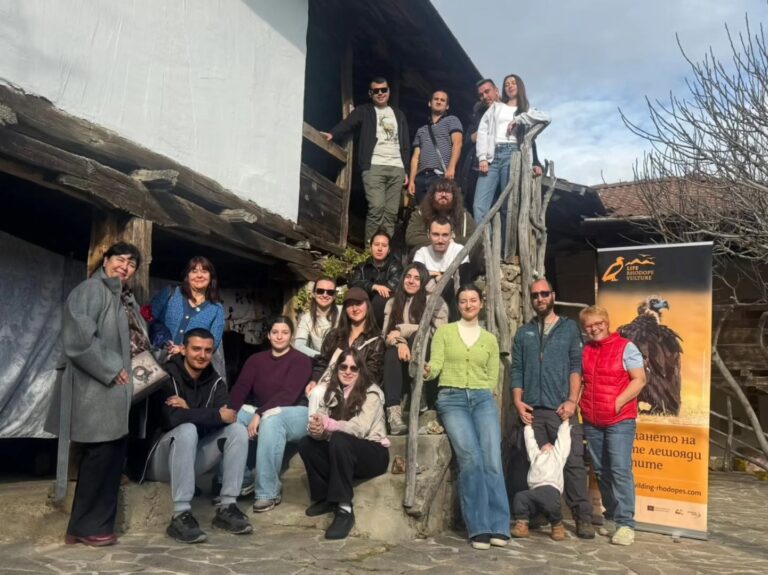
The second day of the field trip continued with visits to the Cromlech and the Old Nest Guest House (Staroto Gnezdo). Students had the opportunity to explore local examples of tourism development and gain a broader understanding of the region’s potential to offer diverse visitor experiences based on the combination of natural assets, cultural and historical heritage, and authentic local traditions.
The visits further expanded their understanding of the region’s development opportunities and introduced them to different forms of alternative tourism. They also highlighted the importance of considering natural and cultural resources as interconnected components of sustainable territorial development.
For the students, this was another opportunity to observe how knowledge from different academic and professional fields can be applied in real-life settings – from ecology and species conservation to tourism planning and the promotion of local heritage.
Learning Through First-Hand Experience and Good Practices
The two-day field trip to the Eastern Rhodopes enabled students to explore ecology and sustainable tourism as complementary fields, united by a shared commitment to responsible stewardship of the natural environment.
Meetings with representatives of conservation organisations and local initiatives demonstrated the importance of professional expertise, cooperation and community engagement in achieving tangible results in biodiversity conservation.
Practical learning activities of this kind are an essential component of education at the University of Forestry. They provide students with opportunities to connect their academic training with current environmental challenges, while fostering critical thinking, professional initiative and a comprehensive understanding of the complexity of contemporary environmental issues.
The field trip to the Madzharovo area is yet another example of the value of experiential learning and of the opportunities offered by the University of Forestry for students to engage with successful practical models, established experts and good practices from across Bulgaria.
Two days in the wild heart of the Eastern Rhodopes provided more than new knowledge and lasting impressions. They also offered a deeper understanding of the responsibility that future environmental professionals bear for safeguarding Bulgaria’s natural heritage.
The University of Forestry remains committed to an educational approach that bridges science and practice, develops professional competencies and prepares a new generation of specialists with a strong sense of environmental responsibility and a vision for a sustainable future.